The glenoid labrum plays a vital role in maintaining shoulder stability and ensuring smooth joint movement. Although it is a relatively small fibrocartilaginous structure, injuries to the labrum can significantly affect shoulder function, causing pain, instability, and reduced athletic performance.
Labral tears are common among athletes, individuals involved in repetitive overhead activities, and patients who experience shoulder dislocations or traumatic injuries. Thanks to advances in arthroscopic surgery, most labral injuries can now be repaired using minimally invasive techniques that restore joint stability while minimizing soft tissue damage.
The glenoid labrum is a ring of fibrocartilage attached to the rim of the glenoid cavity. Its primary functions include:
Although flexible, the labrum is susceptible to injury during trauma or repetitive stress.
Labral injuries may result from several mechanisms, including:
Athletes participating in baseball, volleyball, tennis, swimming, and contact sports are particularly at risk.
Bankart lesions occur in the anterior-inferior portion of the labrum and are strongly associated with recurrent anterior shoulder instability.
Superior Labrum Anterior to Posterior (SLAP) lesions involve the upper part of the labrum where the biceps tendon attaches.
Less common than anterior injuries, posterior tears are frequently observed in athletes exposed to repetitive posterior loading.
Patients may experience:
Symptoms often worsen during sports or repetitive shoulder movements.
Diagnosis combines clinical evaluation with imaging studies.
Healthcare professionals may use:
Accurate diagnosis is essential for selecting the most appropriate treatment strategy.
Arthroscopic labral repair has become the preferred treatment for many symptomatic labral tears.
During the procedure, the surgeon:
The minimally invasive nature of arthroscopy generally results in smaller incisions, reduced soft tissue disruption, and faster functional recovery compared with traditional open procedures.
Modern arthroscopic repair commonly utilizes:
The choice of implant depends on the location of the tear, bone quality, and surgeon preference.
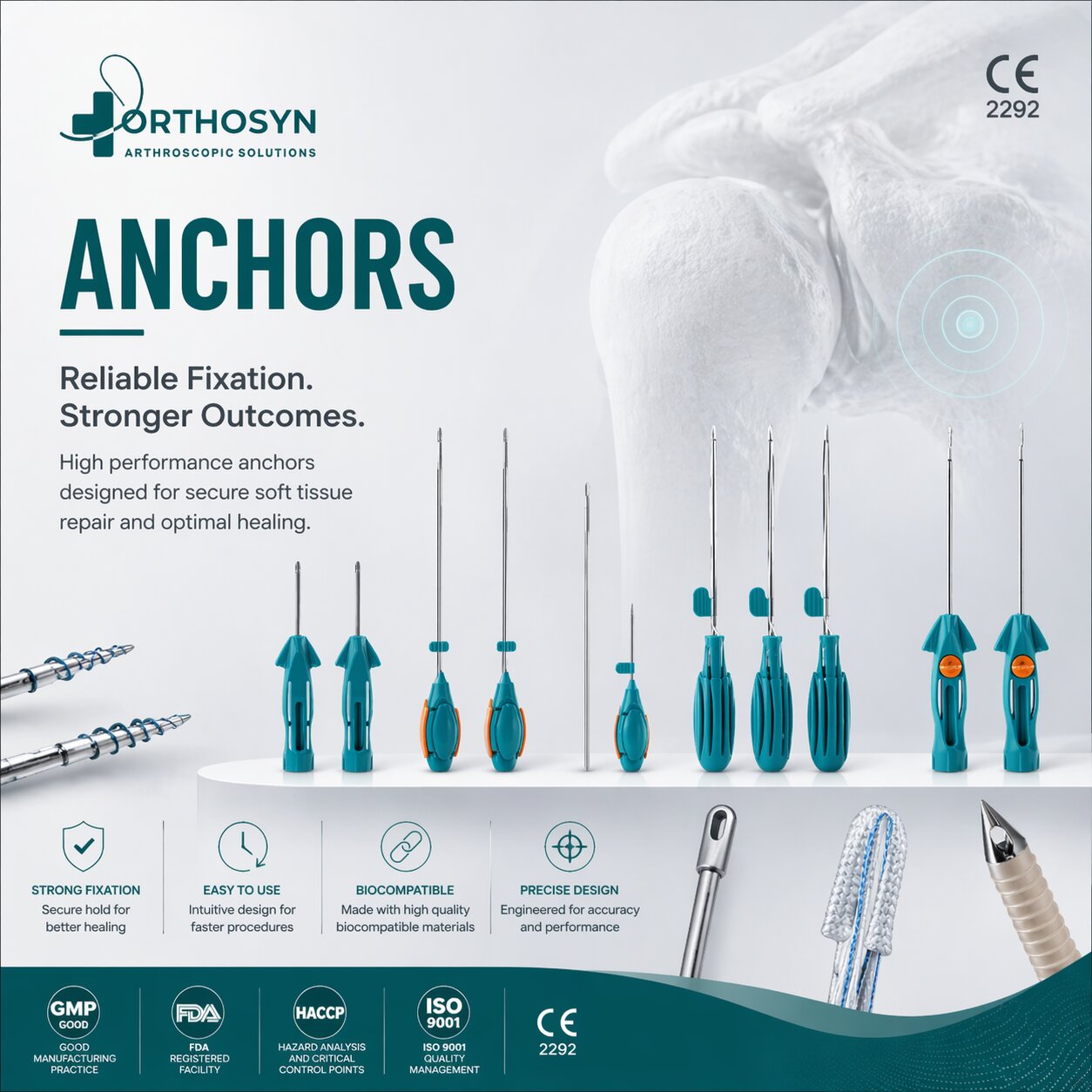
Orthosyn Medikal offers a comprehensive range of arthroscopic implants and instruments designed for shoulder stabilization procedures.
The portfolio includes:
These solutions support precise soft tissue fixation while promoting efficient and reliable arthroscopic workflows.
Labral injuries are among the most common causes of shoulder pain and instability, particularly in active individuals and athletes.
Advances in arthroscopic repair techniques and modern fixation systems have significantly improved surgical outcomes, allowing many patients to return safely to daily activities and sports with restored shoulder stability.