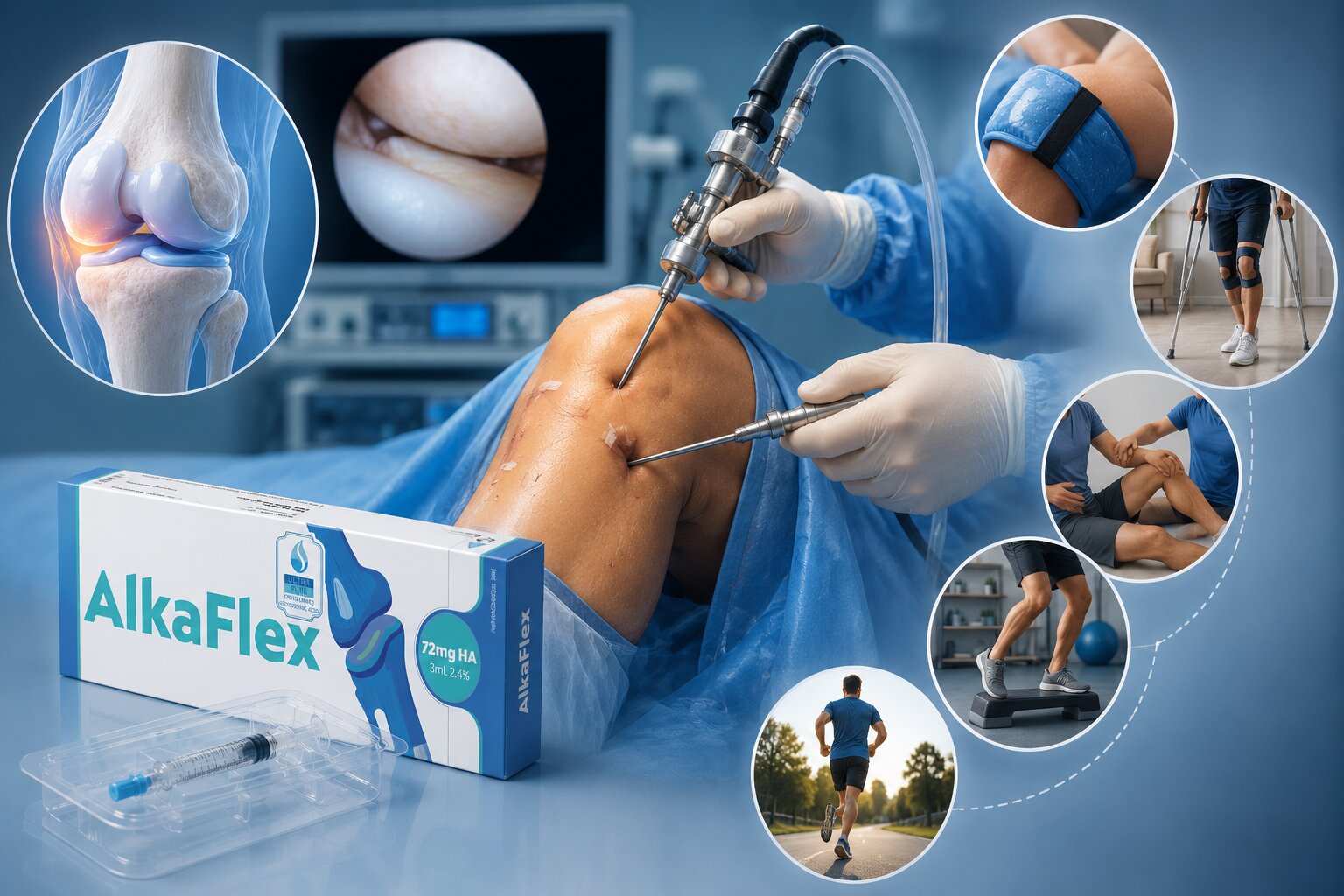
Arthroscopy surgery is a minimally invasive orthopedic procedure commonly performed for knee, shoulder, ankle, hip, and other joint problems. Compared to open surgery, arthroscopy generally offers faster recovery, smaller incisions, and reduced postoperative pain.
However, recovery after arthroscopy still depends on several important factors, including the treated condition, surgical technique, rehabilitation program, and patient compliance.
Understanding the recovery process helps patients return safely to daily activities and sports.
After the procedure, patients are usually monitored for a short period before discharge. Most arthroscopic procedures are performed as outpatient surgeries, allowing patients to return home the same day.
Common postoperative symptoms include:
These symptoms are generally expected during the early recovery phase.
The first few days after surgery focus on controlling inflammation and protecting the operated joint.
Typical recommendations include:
Some patients may temporarily require crutches, slings, or braces depending on the procedure performed.
Rehabilitation is one of the most important components of successful recovery after arthroscopy.
Physical therapy aims to:
Early controlled movement is often encouraged to support healing.
Recovery time varies depending on the type of arthroscopic procedure.
Examples:
Recovery may take several weeks.
Examples:
Recovery may require several months of rehabilitation.
Shoulder arthroscopy involving tendon repair usually requires longer rehabilitation and gradual return to activity.
Several factors influence recovery speed and outcome:
Following postoperative instructions is critical.
Mild swelling and discomfort are common after arthroscopy.
Management strategies include:
Persistent severe pain or excessive swelling should be evaluated by a physician.
Most patients gradually return to:
High-impact sports and heavy activities may require additional recovery time depending on the procedure.
Compared to open surgery, arthroscopy typically provides:
Modern arthroscopy recovery is supported by advanced surgical systems and implants including:
High-quality implants contribute to stable repair and successful rehabilitation.
Recovery after arthroscopy surgery varies depending on the procedure and patient condition, but minimally invasive techniques generally allow faster rehabilitation and reduced postoperative discomfort. Proper rehabilitation and adherence to medical recommendations are essential for successful outcomes.
Orthosyn Medikal provides arthroscopy solutions designed to support modern orthopedic procedures and recovery-focused surgical approaches.