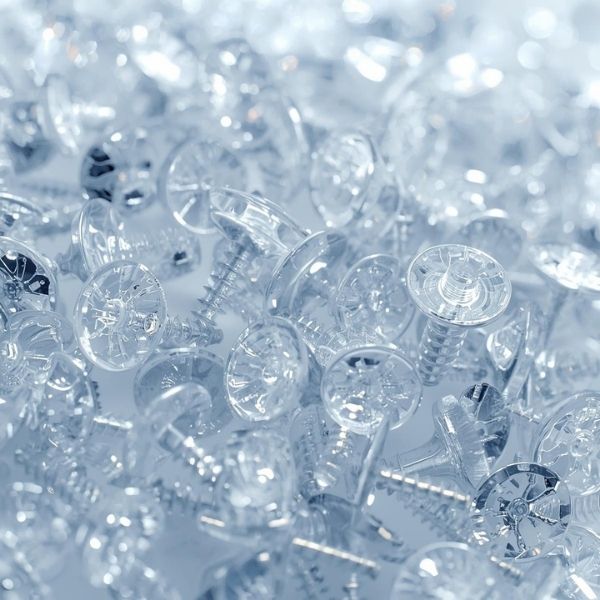
Bioabsorbable interference screws have become a key component in modern orthopedic surgery, particularly in procedures such as ACL reconstruction and tendon fixation. These implants provide reliable mechanical stability during the healing phase and gradually degrade as biological integration occurs.
Orthosyn Medikal’s I-BONE bioabsorbable screw portfolio offers advanced fixation combined with natural integration, supporting both surgical precision and long-term patient outcomes.
A bioabsorbable interference screw is designed to fix grafts within bone tunnels during ligament reconstruction procedures. Unlike metallic implants, these screws are gradually absorbed by the body over time.
According to the product documentation, these implants provide temporary mechanical fixation and undergo complete biological degradation without requiring secondary removal surgery
Compared to traditional metallic implants, bio screws offer several clinical advantages:
No permanent foreign body remains in the patient
No imaging artifacts in MRI or CT
Eliminates the need for implant removal surgery
Supports natural bone integration
The system is designed to ensure stable fixation while enabling biological healing.
Orthosyn provides two main types of bioabsorbable interference screws:
Material:
Poly (L,D,L Lactide) (70:30)
Key Features:
Transparent structure
Reliable initial mechanical strength
Fully bioabsorbable
Predictable degradation profile
This screw provides secure temporary fixation and gradually degrades as healing progresses
Material:
PLDLLA combined with Tricalcium Phosphate (TCP)
Key Features:
Opaque white structure
Combined mechanical and biological performance
Osteoconductive properties
Enhanced bone integration
The TCP component actively promotes bone growth and cellular integration during degradation
PLA screws primarily provide mechanical fixation with controlled degradation, while PLDLLA + β-TCP screws combine fixation with biological stimulation of bone growth.
PLA screws are typically preferred in standard procedures, whereas PLDLLA + β-TCP screws are advantageous in cases requiring enhanced bone healing or revision surgeries.
The absorption lifecycle consists of three phases:
Initial fixation phase with maximum mechanical stability
Gradual degradation phase during healing
Complete absorption and replacement by natural bone
This ensures that the implant supports the graft during critical healing stages and disappears once its function is complete
Bioabsorbable interference screws are commonly used in:
ACL reconstruction
PCL reconstruction
Tendon fixation
Soft tissue fixation
These implants are designed to support both arthroscopic and open surgical procedures
Bioabsorbable interference screws represent a significant advancement in orthopedic implant technology. Orthosyn Medikal’s PLA and PLDLLA + β-TCP screw systems provide surgeons with reliable fixation options tailored to different clinical needs.
Selecting the appropriate screw type allows for improved stability, enhanced healing, and reduced long-term complications.